 Moth
First Time Traveling Abroad? Don't Overlook Your Payment Options
Flights booked. Passport renewed. Outfits planned down to the last pair of socks. But have you thought about how you're actually going to pay for things once you land?
Most first-timers don't, until the café in Rome only takes cash or the hotel says your card was declined.

Here's what tends to catch people out:
- Payment habits differ by country. Some places run on cash, and not every shop takes every card.
- Your card from home may act up abroad. Payments can fail, and conversion fees quietly pile up.
- Booking sites have their own rules about card types and where a card was issued.
- Nobody tells you how much cash to bring, or which cards you'll actually need.
Whether you're planning your first international getaway or preparing for a longer trip, understanding how to manage payments abroad can make your journey much smoother. In this guide, we'll explore common payment challenges travelers face, practical ways to handle them, and how MothCard can offer a flexible payment option for your next trip.
1. Common Payment Challenges When Traveling Abroad
Let's start with what can go wrong. None of these are rare, and most first-timers run into at least one.
1.1 Limited Payment Acceptance
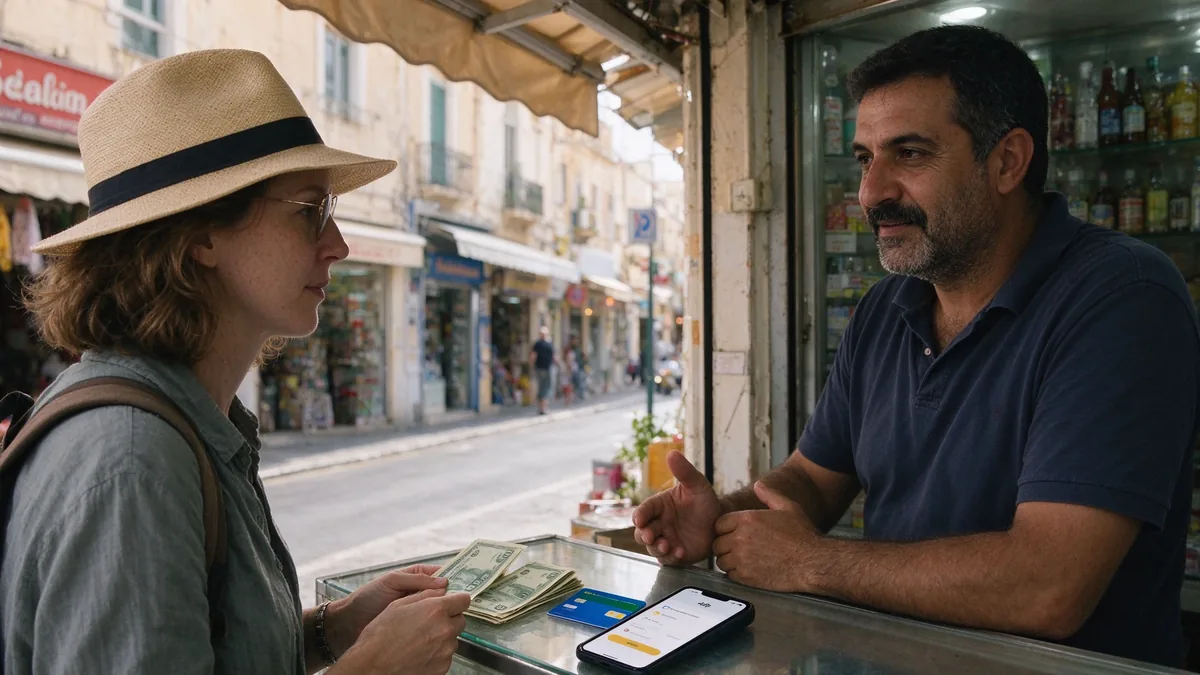
Back home, you tap your card everywhere. Abroad, the rules shift:
- Every country has its own payment culture. Some lean on cards and phone wallets; others prefer cash, especially at small shops and markets.
- Card acceptance isn't universal. A shop may take Visa but not Mastercard, or only local cards.
- Online platforms can be picky too, for example about prepaid cards.
- Not knowing local habits means awkward moments at the till.
1.2 Foreign Transaction and Currency Conversion Fees
That $10 lunch might cost you more than $10. Using a credit card abroad (or a debit card from home) means paying in a foreign currency, and a few extra costs can sneak in:
| Where the extra cost hides | What it looks like | Why it matters |
|---|---|---|
| Foreign transaction fee | A percentage your issuer adds to each overseas purchase | Applies to every swipe, big or small |
| Exchange rate | The rate your bank or payment provider uses to convert the amount | It may differ from the rate you see online |
| Lots of small purchases | Coffee, metro tickets, snacks, souvenirs | Small fees add up fast over a week |
| Different card policies | One card charges a fee, another doesn't | Picking the wrong card can cost real money |
1.3 Payment Declines and Card Restrictions
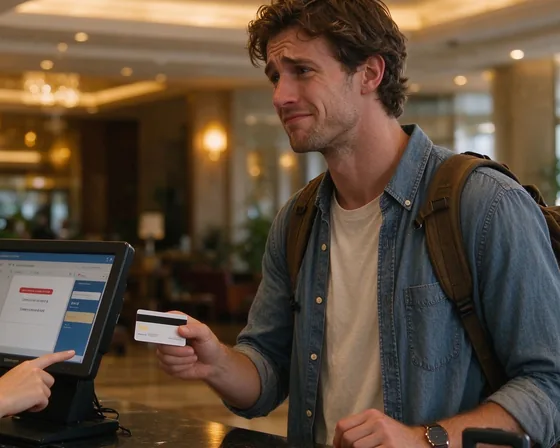
"Sorry, your card was declined."
Five words nobody wants to hear at a hotel check-in desk after a 12-hour flight.
Why does it happen?
- Bank fraud checks. A sudden payment from another country can look suspicious, so your bank may block it to be safe.
- Overseas payments switched off. Some cards need international spending turned on before you travel.
- Prepaid or virtual card limits. Certain merchants don't accept these card types.
- Ripple effects. One failed payment can hold up your hotel booking, your shopping plans or your ride to the airport.
1.4 Managing Cash and Travel Budgets
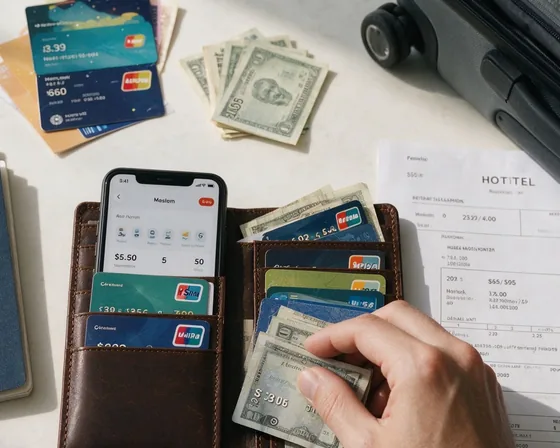
Cash feels safe, until it isn't.
Carrying a fat stack of notes brings its own set of headaches.
- Loss and theft. A big wad of cash is a big risk if your bag goes missing.
- Running low at the wrong time. Finding an ATM in a strange city at night isn't always easy.
- Juggling currencies. Airport currency exchange counters often give weaker rates, and tracking more than one currency gets messy fast.
- Losing track of spending. Between cash, cards and currencies, it's hard to know what's left.
1.5 Online Booking and International Payments
A lot of your trip gets paid for before you even leave: flights, hotels, tours, train passes, airport transfers. And that's where a different set of problems shows up:
- Payment method limits. International booking sites may not support every card you own.
- Card region or type rules. Some platforms check where your card was issued, or whether it's a credit, debit or prepaid card.
- Security worries. You're typing your card details into sites you've never used before, so it pays to be careful about where they go.
2. How to Overcome These Payment Challenges When Traveling Abroad
Good news: almost every problem above can be headed off with a bit of prep before you fly. Here are the money-related travel tips for first time travelers that matter most, one problem at a time.
2.1 Prepare Multiple Payment Methods
The golden rule of travel money: never rely on just one way to pay.
Your international travel checklist: payments
Pack before you go01. Cards
At least one card that works internationally
A debit or credit card that supports overseas payments. Two cards on different networks (say, one Visa and one Mastercard) is even better.
02. Cash
Some local currency
Enough for your first day or two, plus places that are cash-heavy where you're going.
03. Backups
A virtual card, travel money card or another backup
Handy for online bookings, or if your main card gets blocked.
Keep them separate
Don't store every card and all your cash in one wallet.
Why bother with a backup?
If your only card gets blocked, frozen or lost, a backup can keep your trip running while you sort things out.
2.2 Understand Foreign Transaction Fees Before Traveling
Ten minutes of homework now can save you a surprising amount later.
- Check your card's foreign transaction fee. It's usually listed in your card terms or banking app. Traveling often? A no foreign transaction fee card can save you a fair amount over a trip.
- Know the exchange rate. Find out which rate your bank uses and whether a conversion fee is added on top.
- Watch out for DCC. Some card terminals and ATMs abroad offer Dynamic Currency Conversion (DCC), which lets you pay in your home currency instead of the local one. It sounds helpful, but the rate is set by the merchant's payment provider and often includes an extra markup.
- Compare the real cost. Look at what each payment method actually costs you, not just the price tag.
Quick tip: When the card machine asks "Pay in USD or EUR?" while you're in Paris, choosing the local currency (EUR) usually means you avoid the DCC markup.
2.3 Check Your Card's International Payment Compatibility
Before you zip up your suitcase, run through this quick pre-trip check:
Your pre-trip card check
Do this a week or two before departure, not at the airport.
Make sure overseas payments work
- 01
Enable international spending
Some banks switch this off by default. Turn it on in your app or ask your bank.
- 02
Check the card network
Make sure it's Visa or Mastercard, which are widely accepted where you're going.
Check what you can spend
- 03
Single-transaction limit
A hotel deposit or a big booking might go over it.
- 04
Daily spending limit
Several purchases in one day can hit the cap sooner than you think.
Talk to your card issuer
- 05
Ask about region or merchant restrictions
Some cards block payments in certain countries or with certain types of merchants.
Bonus tip
Save your card issuer's international support number in your phone. You'll thank yourself if something goes wrong at 2 a.m.
2.4 Plan Your Travel Budget and Cash Needs
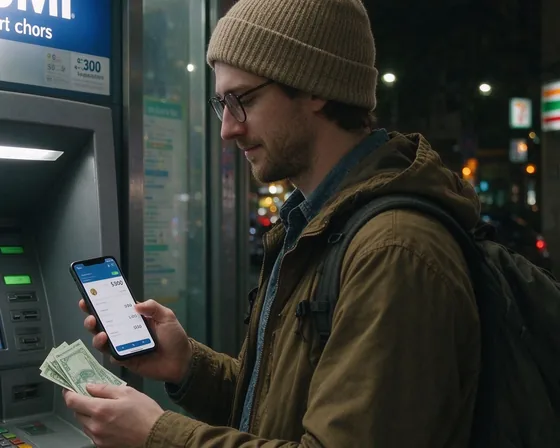
A budget isn't boring. It's freedom.
Knowing roughly what you'll spend means you can say yes to that extra gelato without worrying.
- Set a budget based on how many days you'll be away and how expensive your destination is.
- Bring some local currency for arrival day, before you've found an ATM.
- Decide whether you'll need ATM withdrawals at all. If you do, check ATM fees abroad first: your card issuer and the ATM operator may both charge.
- Check your transaction history regularly so you notice early if you're going over budget.
Here's a simple example of how a 7-day city trip might split up:
| Expense | Best way to pay | Tip |
|---|---|---|
| Flights & hotels | Card, booked online | Pay in advance, before the trip |
| Restaurants & cafés | Card or phone wallet | Keep a little cash for small spots |
| Local transport | Card, transit pass or cash | Some ticket machines only take local cards |
| Markets & street food | Cash | Small notes help |
| Shopping | Card | Watch out for DCC at the terminal |
2.5 Choose a Convenient Payment Option for Online Bookings
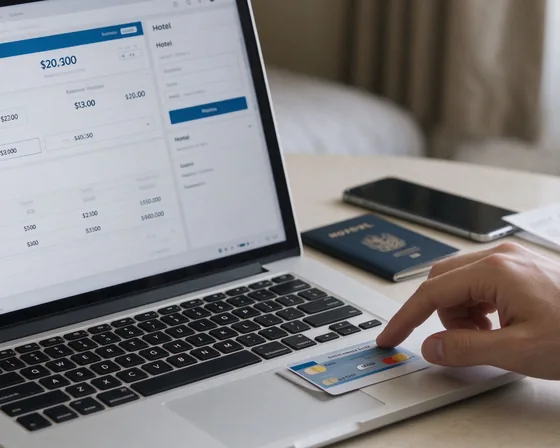
Booking online? Get your payment set up first.
Most of your trip budget is usually spent before you board.
- Have a card ready for international online payments before you start booking.
- Check the platform's payment rules before you book hotels or flights.
- Think about a virtual card if you often pay on overseas websites. It keeps travel spending separate from your everyday card.
- Stick to trusted payment channels and official sites to protect your card details.
3. Meet MothCard: A Flexible Payment Solution for Your Next Trip
So far we've covered the problems and the prep. Now let's look at one option that can help with several of them.
3.1 About MothCard
MothCard is a global card issuing platform: top up with USDT and pay with virtual and physical Visa and Mastercard cards, for individuals and businesses. You top up your wallet in the app, move funds onto a card, and pay: a virtual card online, a physical card in shops and at ATMs. Transaction history and card controls live in the same app.
3.2 How MothCard Can Help with Your Travel Payments
Here's how MothCard fits into a real trip, from booking to the last coffee before your flight home.
Booking Flights and Hotels Online
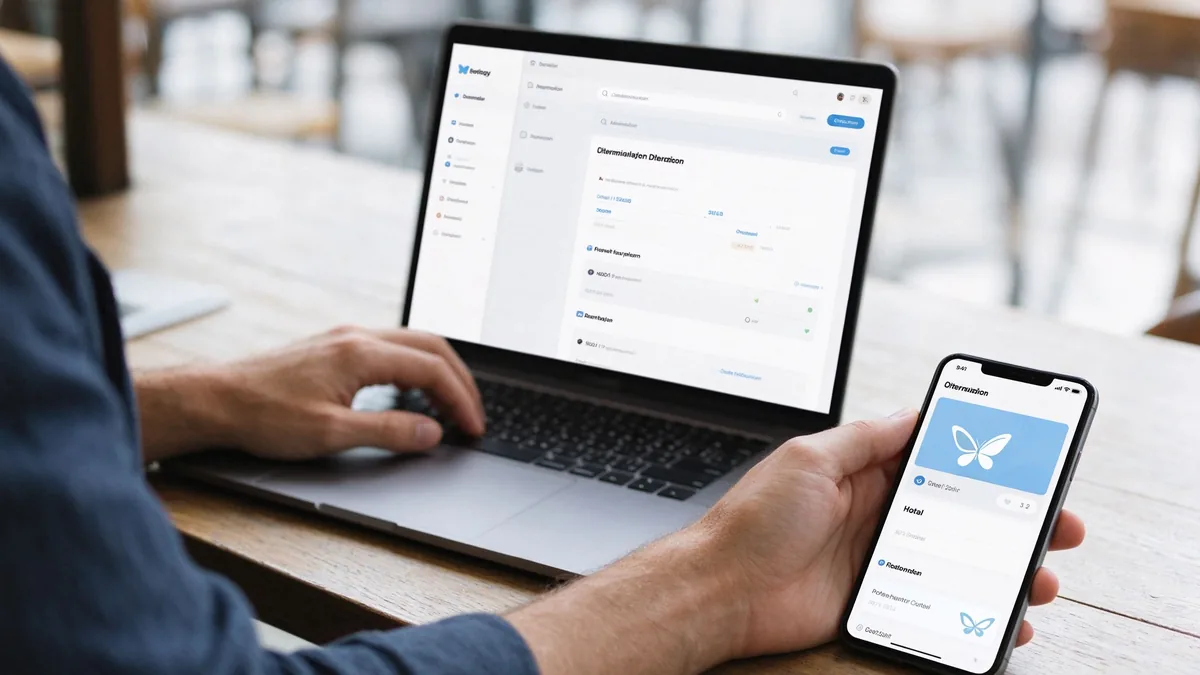
- Pay with a MothCard virtual card on eligible online payments. It's ready to use as soon as it's approved.
- Book international flights, hotels and other travel services on sites that accept Visa or Mastercard.
- Rely less on your traditional bank card for travel bookings, and keep trip spending in one place.
Shopping and Dining Abroad
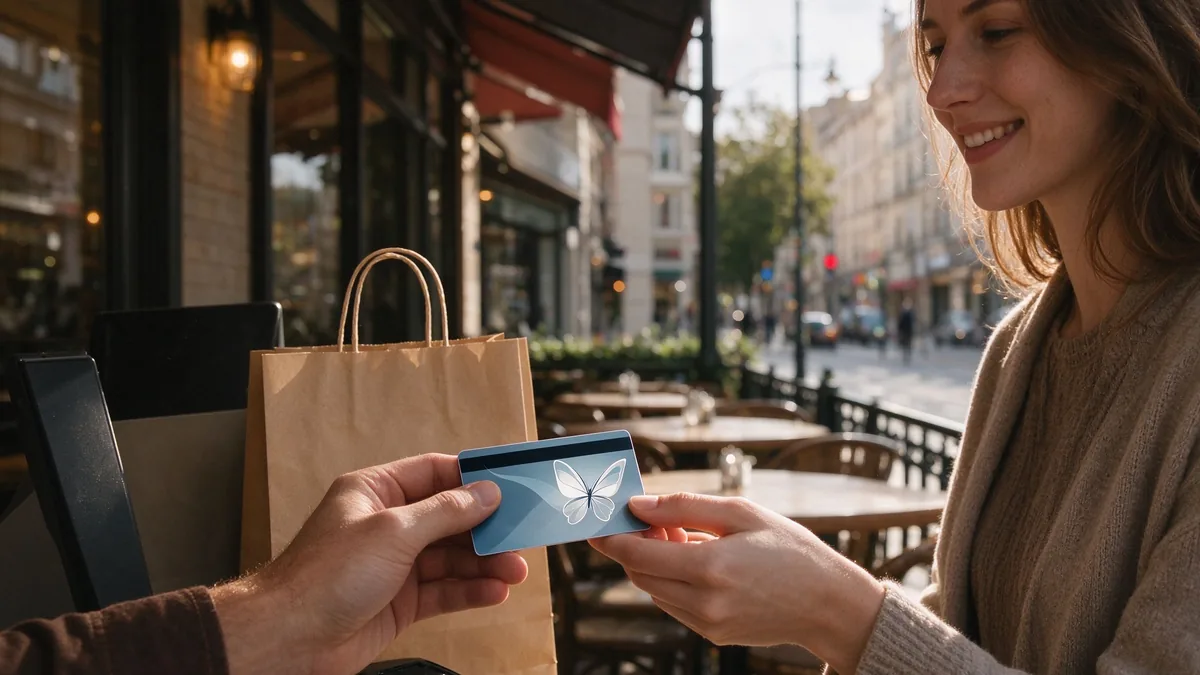
- Use a MothCard physical card at overseas merchants that accept Visa or Mastercard.
- Cover everyday spots: shopping malls, restaurants, cafés, convenience stores.
- Tap with your phone: add a supported card to Apple Pay or Google Pay and pay at contactless terminals. Which wallets each card supports is shown on its page in the app.
Everyday Travel Expenses and ATM Withdrawals
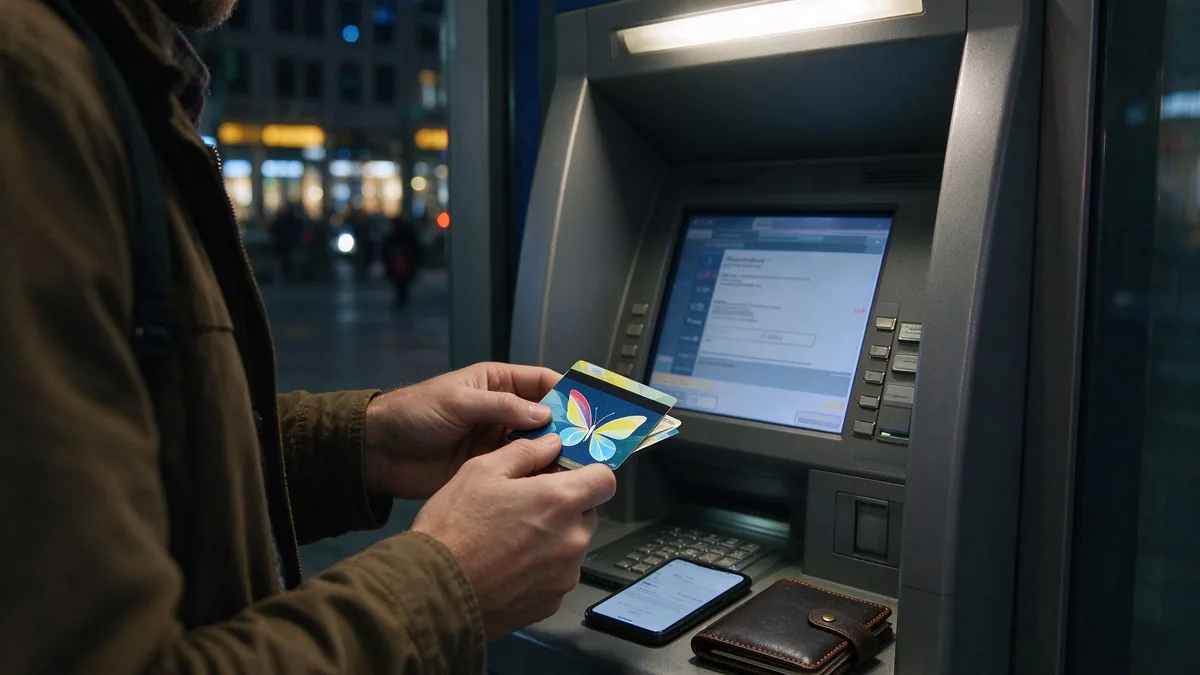
- Pay for transport, snacks and everyday purchases along the way.
- Withdraw cash with a physical card at ATMs that accept its card network, in supported countries and regions.
- Handle cash-only moments, like street markets, small cafés and tips.
ATM fees and withdrawal limits are shown on the card's page in the app, so check them before you rely on a withdrawal.
Manage Your Travel Spending
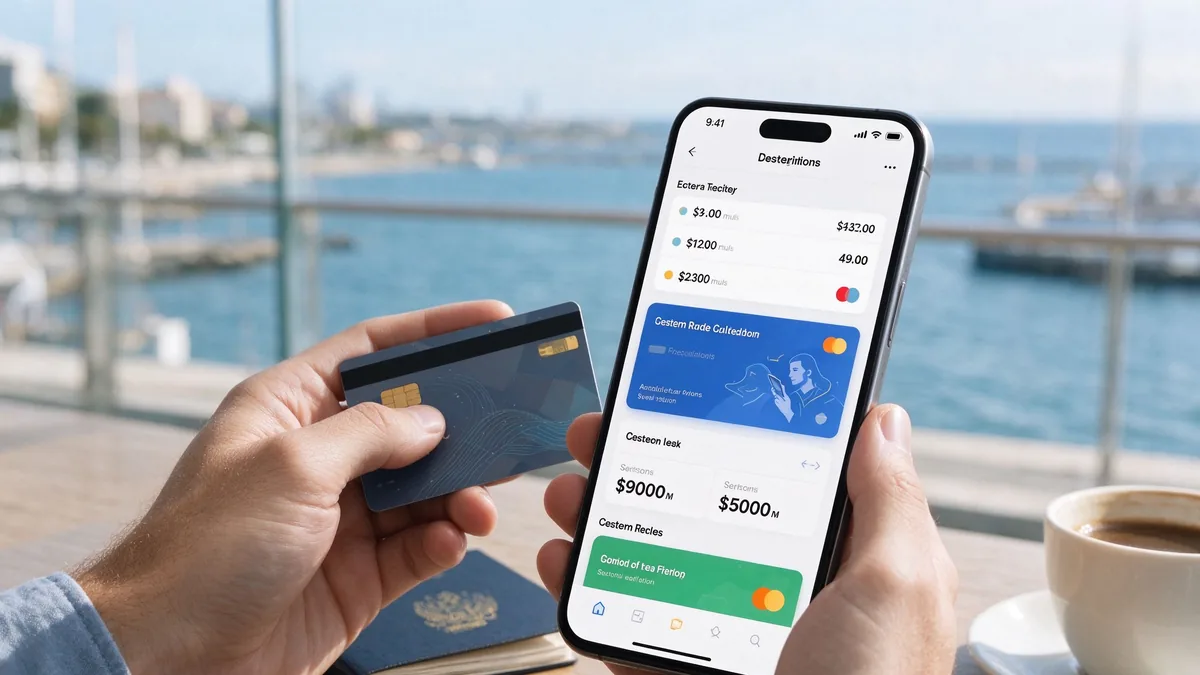
- See every payment in your transaction history, including fees and refunds.
- Keep an eye on your budget and see how much you've spent so far on the trip.
- Freeze or unfreeze your card from the card details page. Left your card in a taxi? Freeze it in a few taps, and unfreeze it if it turns up.
3.3 More Than Just Travel Payments
Once you're home, the card doesn't have to go back in the drawer:
- Online Shopping: Buy from international stores that accept Visa or Mastercard.
- Digital Subscriptions: Pay for streaming, cloud storage, software and AI tools, within each card's usage rules.
- Everyday International Payments: Cover other cross-border online payments as they come up.
AI subscriptions
Cards that pay for ChatGPT and Claude
These six cards pay for ChatGPT and Claude subscriptions. Fund them from your USDT wallet, with no currency exchange or bank wire.
- Glow✓ ChatGPT · ClaudeCard number at checkout
- Pulsar-2✓ ChatGPT · ClaudeCard number at checkout
- Pulsar-1✓ ChatGPT · ClaudeCard number at checkout
- Sapphire✓ ChatGPT · ClaudePay with Google Pay
- Beam✓ ChatGPT · ClaudePay with Google Pay
- Lumen✓ ChatGPT · ClaudePay with Google Pay
Acceptance can change with the merchant, the card network and risk rules, so no payment is guaranteed. Fees and limits are shown in the app.
See all cards →3.4 Why Consider MothCard for Your Next Trip?
| Feature | What it means on your trip | Check first |
|---|---|---|
| Virtual and Physical Cards | Virtual for online bookings, physical for shops and ATMs | Physical card availability and shipping regions are shown in the app |
| USDT Top-ups | Top up your wallet with USDT, then move funds to your card | Use exactly the coin and network shown in the app |
| Visa / Mastercard Network | Pay where the card's network and card type are accepted | The merchant decides which cards it accepts |
| Multi-Currency Options | Cards that settle in USD, EUR, GBP, HKD or another supported currency | Each card's settlement currency is on its page in the app |
| Card Management | Transaction history, freeze and unfreeze in the app | Fees and limits are listed per card in the app |
One honest note: no card works everywhere. Acceptance depends on the merchant, the card network, the issuing region and the card's terms, so pack MothCard alongside a regular bank card and a little cash.
Make your next international trip easier with MothCard.
Explore MothCard and find a payment option that fits your travel needs →
FAQ
What is the best way to pay when traveling abroad?
Use a mix: a bank card that works internationally, some local cash, and a backup such as a virtual card or a second card on another network. Then one blocked card won't stop your trip.
Should I bring cash when traveling internationally?
Yes, but not too much. Bring local currency for your first day or two, more if your destination is cash-heavy, and use cards or ATMs for the rest.
Can I use my regular debit or credit card abroad?
Usually, yes. Before you go, check that international payments are turned on, that the card runs on Visa or Mastercard, and what foreign transaction fees and limits apply.
How can I avoid foreign transaction fees?
Check your card's overseas fee before you travel and use a card with low or no fees if you can. If a terminal or ATM offers to charge you in your home currency (DCC), choose the local currency.
Can I use a virtual card when traveling abroad?
Yes, for online bookings like flights, hotels and tours, at sites that accept its network and card type. Some merchants refuse virtual or prepaid cards, and virtual cards can't be used at ATMs.
Is MothCard suitable for international travel?
It can be, especially if you hold USDT. A virtual card covers online bookings, and a physical card works in shops and at ATMs that accept its network, with Apple Pay or Google Pay on supported cards. Check fees, ATM limits, settlement currency and supported regions in the app first.